
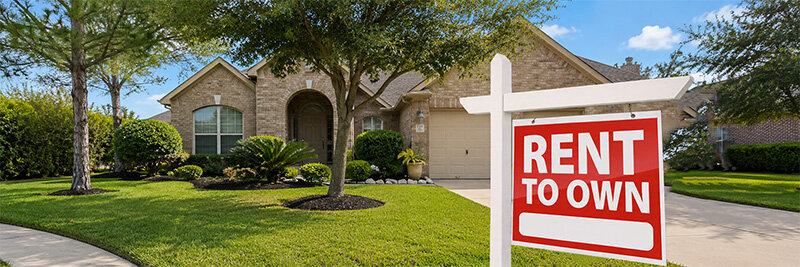
Yes — selling your Houston rental property through a rent-to-own arrangement can earn you more than a traditional sale, while giving you steady income the whole time you’re waiting to close. It’s not the right fit for every landlord, but for the right property and the right timeline, it’s one of the more underused tools in a rental owner’s exit strategy. Here’s how it actually works, and why it’s worth considering.
What Rent-to-Own Actually Means for You as the Seller
In a rent-to-own arrangement, your tenant pays an upfront option fee for the right to purchase the home at a set price within an agreed window — typically one to three years. During that window, they rent the property, usually at a premium above standard market rent, with that premium credited toward their eventual down payment if they exercise the option. If they don’t exercise it, you keep the option fee and every dollar of the rental premium collected.
The arrangement gives you a locked-in future buyer, ongoing rental income in the meantime, and a built-in incentive for the tenant to treat the home like their own — because in every way that matters to them, they’re already halfway to owning it.
Benefit 1: Equity Builds While You Wait
Rather than selling today at today’s price, a rent-to-own arrangement lets the property continue appreciating over the length of the contract term. When the sale finally closes, you may realize meaningfully more than you would have from an immediate sale — particularly in a market where values are trending upward.
Benefit 2: Immediate Cash Flow, No Waiting on a Buyer
The option fee is collected upfront, and rental income starts immediately — there’s no waiting on a traditional buyer’s financing approval, no marketing period, no months of holding costs eating into your returns. You start collecting real money the day the agreement is signed, which offsets your mortgage, taxes, and insurance from day one rather than months down the road.
Benefit 3: The Rental Premium Works in Your Favor Either Way
Because rent-to-own tenants typically pay above standard market rent, that premium adds up over the contract term into a meaningful sum. If the tenant exercises their purchase option, that accumulated premium applies toward their down payment, effectively lowering what they owe you at closing while you’ve already collected the cash. If they don’t exercise the option, you simply keep every dollar of it — there’s no scenario where the rental premium works against you.
Benefit 4: Tenants Treat the Property Like Their Own
One of the quieter benefits of rent-to-own is what it does to how the property gets treated day to day. A standard tenant has no long-term stake in the home’s condition. A rent-to-own tenant does — they’re essentially auditioning for ownership, and most take noticeably better care of the property as a result. Many rent-to-own agreements also shift routine maintenance responsibility to the tenant, often with a cap on the dollar amount they’re responsible for, which further reduces your involvement as landlord during the contract term.
Benefit 5: You Avoid the Costs of a Traditional Listing
A rent-to-own sale skips the expenses that come with listing a property the conventional way — no commissions, no staging costs, no months of mortgage and utility payments while the house sits on the market waiting for a buyer. Selling directly through a rent-to-own structure with a local buyer means those costs simply don’t apply.
What to Watch For Before You Commit
Rent-to-own isn’t without its considerations. Under Texas law, longer-term lease-option arrangements can trigger additional regulatory requirements depending on how the contract is structured — worth understanding clearly before you sign anything, ideally with guidance from someone experienced in structuring these deals correctly. It’s also worth being realistic about the tenant’s actual likelihood of qualifying for financing by the end of the term; not every rent-to-own tenant successfully completes the purchase, and having a plan for either outcome protects you either way. If a shorter-term arrangement fits better than a multi-year commitment, it’s worth comparing this against a lease option instead.
Common Questions
What happens if my tenant doesn’t buy the house at the end of the term?
You keep the option fee and the accumulated rental premium, and you’re free to sell the property through another path — including offering a new rent-to-own agreement to a different tenant, or selling it outright.
How is the sales price determined in a rent-to-own agreement?
The price is typically set at the start of the agreement, often somewhat above current market value to account for expected appreciation over the contract term. You take on the risk that values could rise faster than anticipated; the tenant takes on the risk that values could fall.
Who’s responsible for repairs during the rental period?
This is negotiable and should be spelled out clearly in the agreement. Many rent-to-own contracts shift routine repair responsibility to the tenant, sometimes with a cap on cost, since they’re treating the home as a future purchase rather than a short-term rental.
Rent-to-own can be one of the smartest ways to exit a rental property without leaving money on the table. If you’d like to talk through whether it fits your specific property and timeline, reach out and let’s run the numbers together — and if a more straightforward, immediate sale makes more sense for you, a direct cash offer is always on the table too.


Disclaimer: This article is just general information. We are not attorneys. You should always consult an attorney or financial advisor knowledgeable about this area of the law and your situation.
C_RENTALS_GENERAL_01