
If you’ve been quietly wondering whether you’re done being a landlord, you’re not alone, and you’re not wrong to wonder. If selling quickly and simply is starting to sound appealing, it might be worth looking at what your options actually are before you decide anything.
There’s nothing wrong with the house, necessarily. Good bones, a decent location, tenants who mostly pay on time. On paper, there’s no obvious reason to sell. But somewhere along the way, you stopped feeling good about owning it, and you can’t quite point to when that happened.
That’s not a maintenance problem. That’s a different kind of tired.
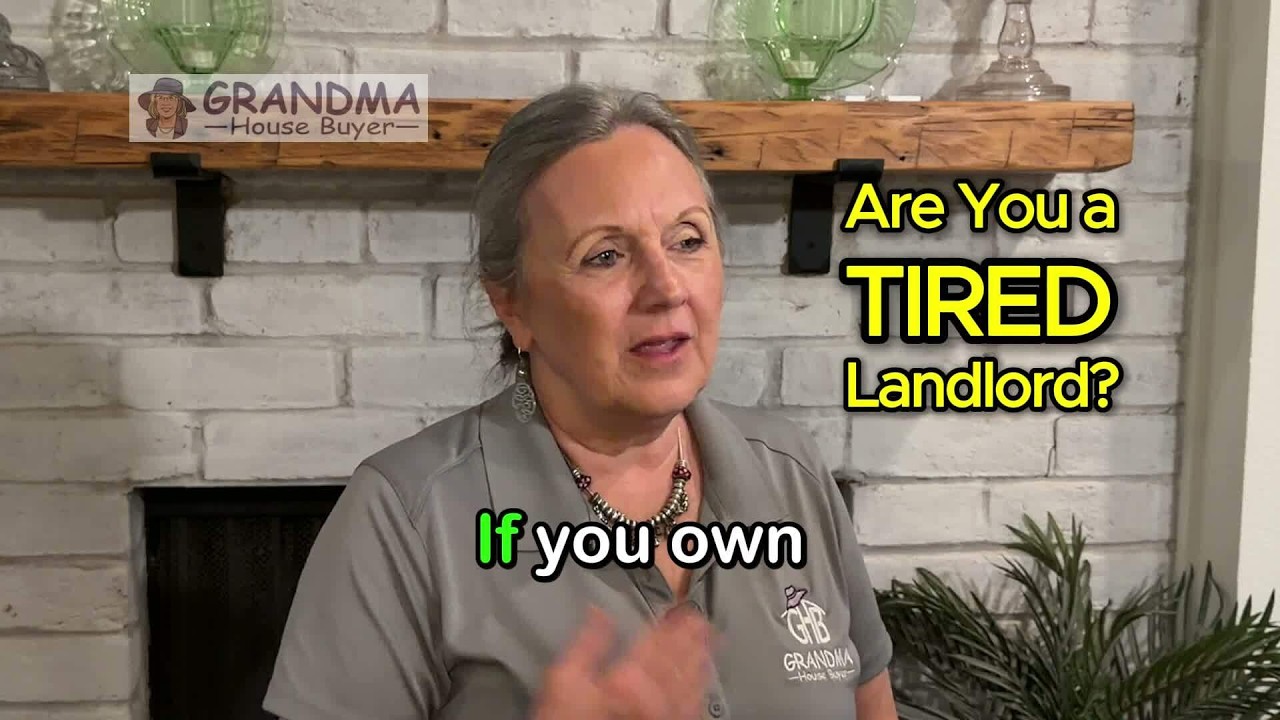
Video Transcript
If you own a rental property, there’s a specific kind of tired that comes with it. Not the tired of one hard day, but the tired of doing this a while and quietly wondering if it’s still worth it.
I’ve had my own version of that. A tenant who wasn’t supposed to have a dog brought one anyway, and by the time I found out, there was real damage to deal with… and they still left owing me two months of rent.
It’s rarely one big thing that makes “call it quits” as a landlord. It’s a vacancy, then a repair, then a tenant who’s a little late again. None of it feels like a crisis on its own.
But it adds up. If this is your only rental, that impacts your bank account fast, and one bad tenant can undo months of what you’d saved. If you’ve got a few properties, it shows up differently… as one property quietly taking more of your time and peace than it’s giving back.
So here’s how I would think about it, the same way I’d walk a homeowner through fixing up a house before selling.
The first option is selling as-is, tenants and all, and accepting a lower price for a lot less hassle. The second is waiting out the lease or negotiating a move-out, doing some turnover work, then listing it vacant to a wider pool of buyers.
The third is a full renovation, repositioning the property for top value, whether that’s for a buyer who’ll live in it or an investor looking for a stronger rent roll. And the fourth is selling it directly to someone like me… no repairs, no showings, no waiting on financing, occupied or not.
None of those is automatically the right answer. If you’re managing this yourself and it’s draining you, hiring a property manager might buy you distance, but it won’t fix a property that’s genuinely more trouble than it’s worth to you anymore. If this is your only rental, the stakes are personal in a way they might not be if you’ve got several properties and this is simply the weakest one in the group.
The honest question isn’t which option makes the most money on paper. It’s which one actually gives you back what you’re looking for… whether that’s income, or time, or just your Sundays back.
One bad month doesn’t have to decide everything. You don’t need to sell, and transition all in the same week just because this one has been rough.
Take some time to actually look at your numbers, and be honest about what the property is costing you beyond the mortgage. There’s no prize for holding onto something that stopped serving you a while ago.
There’s no shame in deciding landlording isn’t for you anymore, whether you own one house or fifteen. That’s not giving up. That’s just being honest about what you actually want now.
If you’d like to talk through your options, no pressure, I’m easy to reach… and there’s a booklet that walks through this in plain language if you want something to look at on your own time first.
When Passive Income Stops Being Passive
Rental property is supposed to be the easy kind of investment. A little income coming in each month, without much thought required. For a while, it usually is.
Then it isn’t. A vacancy here, a repair there, a tenant who’s a little late this month. None of it feels like a crisis on its own. That’s the trouble. You don’t notice the weight building until you’re already carrying it all at once.
And then one random Tuesday, a broken water heater feels like the last straw. Not because it’s the biggest problem you’ve ever had, but because it’s one more thing on a pile that was already too high. That kind of exhaustion doesn’t show up on a spreadsheet or a rent roll. It’s real, and it’s allowed to factor into what you decide to do next.
The Ripple Effect Reaches Further Than the House
How much one bad year costs you depends a lot on how many properties you own, and it’s worth being honest with yourself about that.
If this is your only rental, one tenant who stops paying can undo months of what you’d saved, fast. That’s not a rounding error. That’s real money, and real stress that follows you into the rest of your life.
If you’ve got several properties, the math is different, but it’s not nothing. It’s usually one particular property quietly dragging on everything else you’re trying to build, taking up more time and mental energy than its return justifies.
Either way, the ripple doesn’t stay contained to the house itself. It moves into your finances, your time, and how much peace you actually have left at the end of the day.
My Own Landlord Story
I’ve had a rental property with tenants who weren’t supposed to have a dog, and had one anyway. A big dog had full run of the house while they were gone most of the day. By the time I found out, the carpet was gone, and the trim was chewed through in more than one room.
Then, on top of the damage, I lost two months of rent when they stopped paying near the end of the lease. Not a small amount. Not something I could just shrug off.
What that experience taught me wasn’t really about the dog or even the money. It was the feeling of being caught off guard in my own investment, over and over, by things I couldn’t control from where I stood. If you’ve had a version of that story, whether it’s a tenant, a repair, or a property manager who didn’t do right by you, you’re not overreacting. That kind of tired is earned, and it deserves to be listened to.
Weighing Your Real Options
When people ask me what to do with a rental that’s stopped feeling worth it, I tell them there are really four paths, and none of them is automatically the right one.
The first is listing it as-is, tenants and all, and accepting a lower price for a lot less hassle. The second is waiting out the lease or negotiating an early move-out, doing some basic turnover work, then listing it vacant to a wider pool of buyers. The third is a full renovation, repositioning the property for its highest resale value, whether that’s for someone who’ll live in it or for another investor seeking a stronger return. The fourth is a direct, as-is sale, occupied or not, with no repairs and no showings.
If you’re managing everything yourself right now, hiring a property manager might buy you some distance. It won’t fix a property that’s genuinely more trouble than it’s worth to you anymore, though, so it’s worth being clear-eyed about what you’re actually solving for. And if this is your only rental, the stakes behind that decision hit differently than if you’ve got several properties and this one is simply the weakest in the group.
None of that is a failure to sort out on your own in one sitting. It’s just what it looks like when a decision actually deserves some thought. If it helps to have something to walk through at your own pace rather than sort it out from scratch, my booklet on preparing a well-loved home for its next chapter lays a lot of this out in plain language.
There’s No Shame in Being Done
There’s a version of this where deciding you’re done being a landlord feels like admitting you failed at something. You didn’t. Rental property is a real business, with real ups and downs, and plenty of smart, capable people have owned it for a while and then decided their time and peace of mind were worth more than holding on.
That’s not giving up. That’s being honest about what you actually want now.
One bad month doesn’t have to decide anything tonight. But when you’re ready to look at your real options, whether that means a traditional listing or a direct sale that skips the repairs and the waiting, it helps to talk it through with someone who isn’t going to rush you into a decision. If you’d like to look at what selling quickly and directly could look like for your situation, I’m always happy to talk it through, no pressure attached.


Disclaimer: This article is just general information. We are not attorneys. You should always consult an attorney or financial advisor knowledgeable about this area of the law and your situation.
FP_08_Rentals
X_BLOGGROUP_0